
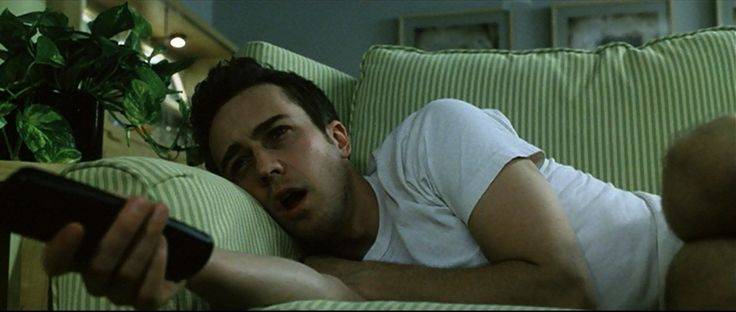
The longest stretch of staying awake under the eye of scientists lasted 264 hours, or 11 days. That is how long 17-year-old Randy Gardner went without sleep over the turn of the year from 1963 to 1964. The last result recognised by the Guinness Book of Records is almost 8 days longer, at 453 hours 40 minutes (Robert McDonald, 1986), and since 1997 Guinness has not kept this category at all. Your body, though, pays for every hour long before you get anywhere near the record. After a day without sleep your performance drops as it would at a blood alcohol concentration of 0.1%, after two days hallucinations are the rule, and after three, delusions set in.
How long can a person go without sleep?
The answer depends on what we count as “without sleep”. Staying awake, meaning sitting with your eyes open and answering questions, is possible, as you can see, for more than 18 days. The catch is that none of the record holders stayed awake without a break in the strict sense. After just one sleepless night the brain starts to “switch off” on its own for a few seconds, even with the eyes open. This is so-called microsleep, and people often do not even know it is happening.
Even William Dement, who kept watch over Gardner for the last three days and nights, later admitted that the boy most likely had microsleeps. So the honest answer goes like this. A healthy, determined person who has others watching over them and waking them up can go without sleeping in a bed for a dozen days or more. How long anyone can stay awake without nodding off at all, even for a few seconds, nobody knows. It cannot be measured without a continuous EEG recording, and in research today keeping people awake for more than 48 hours is considered unethical.
The best-studied case of prolonged sleep deprivation
A well-documented case of a long period without sleep (in a paper by Gulevich G, Dement W and Johnson L titled “Psychiatric and EEG observations on a case of prolonged (264 hours) wakefulness”) is that of 17-year-old Randy Gardner from California, who, over the turn of the year from 1963 to 1964 (from 28 December to 8 January), asked himself: how long can you go without sleep?
He lasted a full 264 hours, or about 11 days, without coffee or stimulant drugs. To date, it is the best scientifically documented case of staying awake for so long. For two weeks it was the world record, but it is not a Guinness record (I write about the records below). Randy Gardner coped with such a long stretch without sleep surprisingly well (at least on the surface, because Navy doctor John J. Ross, who looked after his health, noted mood swings, problems with concentration and memory, paranoia and hallucinations), which led to the premature conclusion that lack of sleep is relatively harmless to human health. Accounts differ, too. William Dement’s team from Stanford, who were with Gardner for the last three days and nights, described irritability, memory lapses and microsleeps between the fourth and fifth day in a 1966 paper, but according to the authors they saw no hallucinations or delusions. Today we know otherwise - in experiments, prolonged total sleep deprivation has even led to the death of laboratory animals.
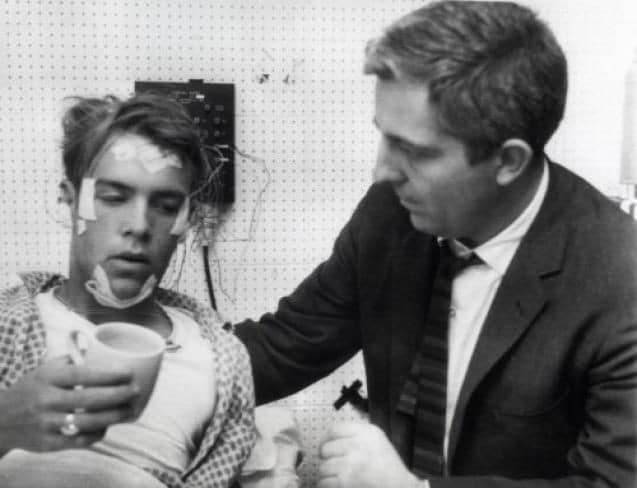
According to some press reports, Gardner’s record has been broken several times. Gardner’s case, however, has the advantage over the others of having been documented extensively and in great detail.
In less well-documented cases it is hard to pin down exactly how long the person went without sleep, because someone attempting the record may slip into short episodes of so-called microsleep without even being aware of it.
What is more, records for voluntary sleep deprivation are no longer kept in the Guinness Book of Records, out of concern for the health of the daredevils trying to break them.
Gardner’s record fell after just two weeks, when Jim Thomas lasted 266.5 hours, and a month later it was beaten by Toimi Silvo of Hamina in Finland (called Toimi Soini in some sources), who went without sleep for 11.5 days, or 276 hours, in February 1964. The record listed in the Guinness Book of Records was 449 hours, set by Maureen Weston of Peterborough, Cambridgeshire, UK, in 1977 (18 days and 17 hours), and the last result recognised by Guinness is 453 hours 40 minutes, or 18 days, 21 hours and 40 minutes (Robert McDonald, 1986). According to Guinness itself, since 1997 the Guinness Book of Records has not kept records in this category, because of the risk to health and because microsleep cannot be reliably ruled out.
The Guinness record for staying awake
Below are the results from the timeline that Guinness World Records published in 2023, oldest first. Gardner is the only one of them whose attempt was described in a scientific paper. The rest were more like shows for the public (a booth in Times Square, a restaurant window, a waterbed showroom), so nobody was ruling out microsleeps there.
| Year | Who | Hours | Days | Notes |
|---|---|---|---|---|
| 1959 | Peter Tripp, radio DJ, New York | 201 h | 8 days 9 h | glass booth in Times Square; towards the end he was given a stimulant (Ritalin) and had hallucinations and delusions |
| 1959 | Dave Hunter, radio DJ, Florida | 225 h | 9 days 9 h | the first record in this category recognised by Guinness, no stimulants |
| 1963/1964 | Randy Gardner, 17-year-old schoolboy, San Diego | 264 h | 11 days | the only case on this list described in a scientific paper |
| 1964 | Jim Thomas, 20-year-old student, California | 266 h 30 min | 11 days 2 h 30 min | about two weeks after Gardner |
| 1964 | Toimi Silvo, Hamina (Finland) | 276 h | 11 days 12 h | February 1964 |
| 1969 | Bertha van der Merwe, 52-year-old housewife, South Africa | 282 h 55 min | 11 days 18 h 55 min | |
| 1974 | Roger Guy English, aged 23, California | 288 h | 12 days | waterbed showroom |
| 1977 | Maureen Weston, Peterborough (UK) | 449 h | 18 days 17 h | rocking-chair marathon; had hallucinations towards the end |
| 1986 | Robert McDonald, Mariposa (California) | 453 h 40 min | 18 days 21 h 40 min | rocking chair in a restaurant window; the last result recognised by Guinness |
So where does the “266-hour record from 2007” you find online come from? In May 2007 Tony Wright from Penzance in Cornwall stayed awake for 266 hours and was convinced he had beaten Gardner’s record. Guinness no longer kept the category by then, and the results in the table were longer anyway.
Guinness gives one more reason for closing the category, and it leads straight to the next question. There is a disease in which a person stops sleeping altogether, and if the category still existed, the record holder would probably be someone ill, entirely against their will.
Can you die from lack of sleep?
The record holders in the table survived, and nobody runs experiments on people to find out where the limit lies. That does not mean going without sleep is safe. We know more from two other sources, animal studies and a very rare disease.
In rats the limit is known. In a series of experiments by Allan Rechtschaffen at the University of Chicago, rats totally deprived of sleep died within a few weeks, usually after 2-3. Before they died they lost weight even though they ate more, could not keep warm and developed sores on their tails and paws. Oddly enough, the researchers never established what actually killed them, and found no changes in their brains that would explain it. So carrying those 2-3 weeks over to humans would be a stretch.
In humans there is a disease in which sleep disappears by itself. It is fatal familial insomnia (FFI), an inherited prion disease caused by a mutation in the prion protein gene. It mainly destroys the thalamus, the part of the brain involved in controlling sleep. The patient sleeps worse and worse, until hardly at all, and on top of that come disorders of the autonomic nervous system (the one that controls things like heart rate, blood pressure and sweating), problems with movement and speech, and finally dementia. From the first symptoms to death it takes from six months to just under three years, on average about a year and a half. It is an extremely rare disease, and by 2018 about 70 families in which it occurs had been described worldwide.
The disease damages several systems at once, so it is hard to say how much of it comes down to lack of sleep alone. In short, animals die from lack of sleep, and so do people with this disease, but nobody knows the limit for a healthy person. And it is better not to go looking for it.
Symptoms of sleep loss
Chronic lack of sleep (in other words sleep deprivation) can cause fatigue, daytime sleepiness, clumsiness and increased appetite leading to weight gain. It has a harmful effect on the brain and on cognitive function. In some cases, however, lack of sleep can - paradoxically - lead to higher energy levels and a better mood. Although the long-term consequences of sleep deprivation have never been fully studied, there have been attempts to use it as a treatment for depression (only in hospital, under a psychiatrist’s supervision - do not try this on your own, because in people with bipolar disorder, for example, it can trigger a manic episode).
In extreme situations, when we act under stress, we often push the need for sleep to the back of the queue. That is a mistake, though, because lack of sleep can do more harm than good. Soldiers fighting at the front know this and follow the rule: “when you are told to, march; when you are not marching, sleep”. So even in very extreme situations you should not neglect sleep. As a rule of thumb, an adult needs about 7 to 9 hours of sleep a day.
Physiological effects: the main health consequences of sleep deprivation
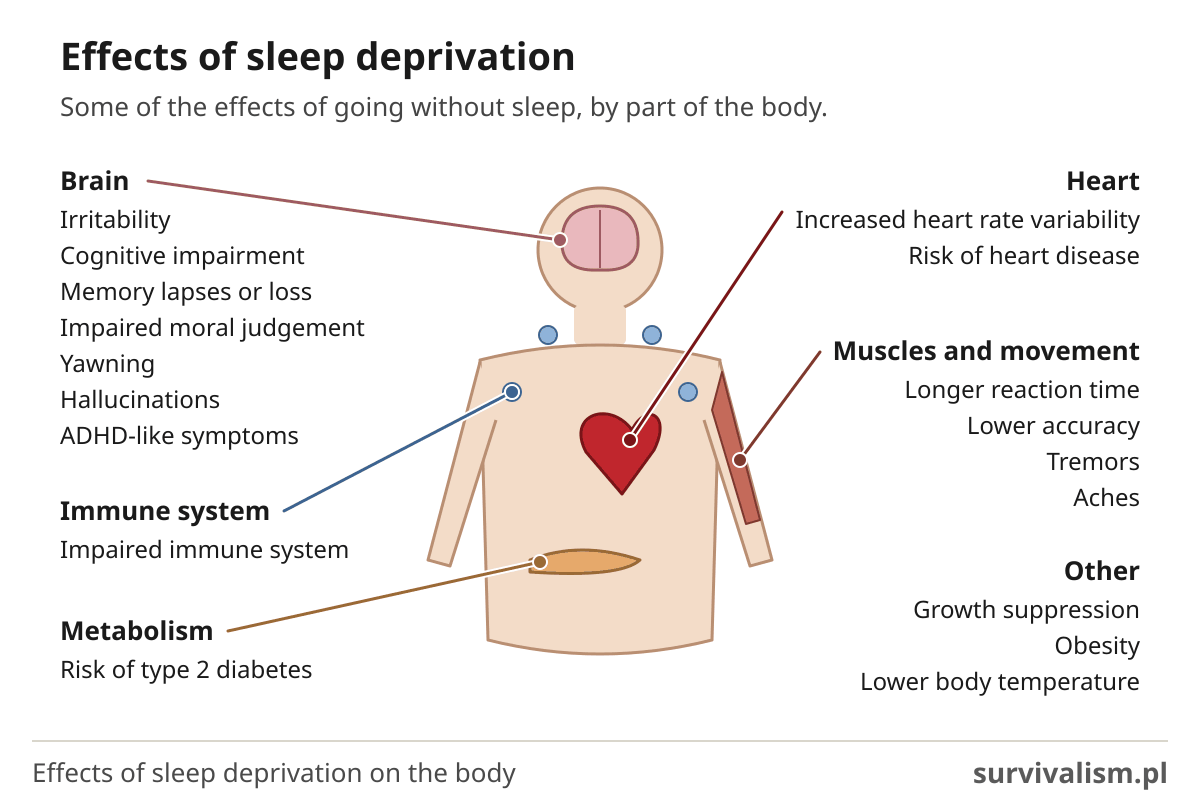
Generally speaking, sleep deprivation can cause:
- aching muscles
- confusion, memory lapses or complete memory loss
- depression
- the formation of false memories
- hallucinations
- trembling limbs
- headaches
- malaise
- styes
- swelling around the eyes, commonly known as “bags under the eyes”
- raised blood pressure
- a higher level of stress hormone
- a higher risk of diabetes
- lower immunity and greater susceptibility to illness
- a higher risk of fibromyalgia
- irritability
- nystagmus (rapid, involuntary, rhythmic eye movement)
- obesity
- temper tantrums in children
- violent behaviour
- yawning
- manic states
- ADHD-like symptoms
- psychosis
Symptoms and effects of sleep deprivation over time
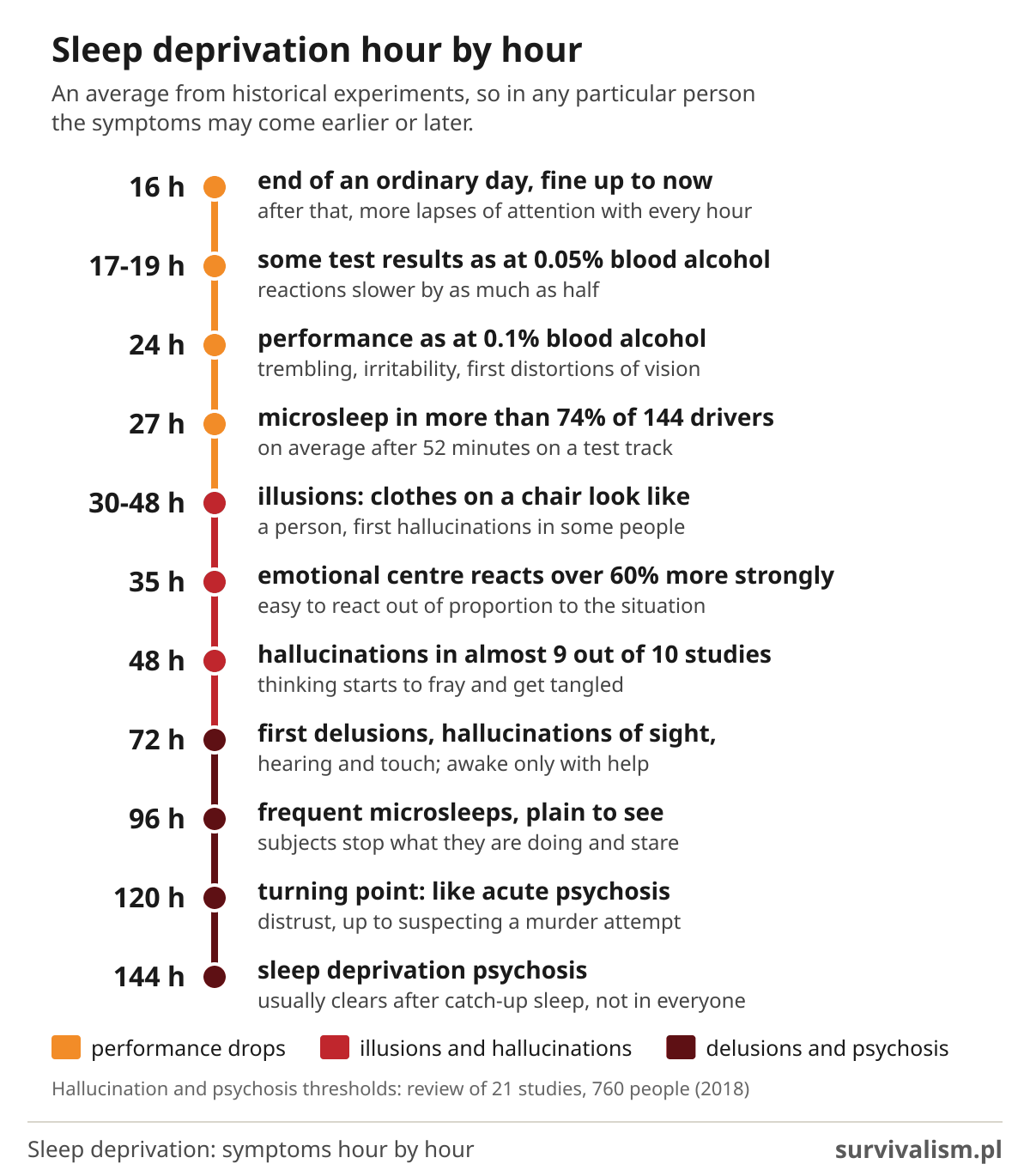
[UPDATE 2026] The stages below are an average from historical experiments, so in any particular person the symptoms may come earlier or later. I corrected the thresholds for hallucinations and psychosis on the basis of a review of 21 studies involving 760 people, published in 2018. It shows that everything starts earlier than I wrote in the first version of this text.
Evening: 16 hours without sleep
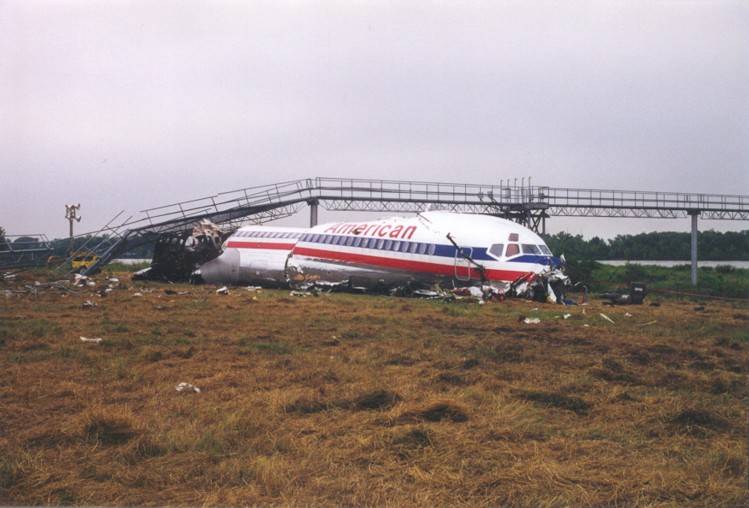
Up to about 16 hours on your feet, that is until the evening of an ordinary day, the body copes well. After that every extra hour costs more and more. In a 2003 study the number of momentary lapses of attention rose almost linearly with every hour awake beyond 16, regardless of whether people had not slept at all or had been sleeping too little for two weeks. After 17-19 hours without sleep, results on some tests were the same as or worse than at a blood alcohol concentration of 0.05%, and reactions were slower by as much as half. The captain of Flight 1420, whom I write about below, had been awake for 16 hours on the day of the crash.
Night 1: 24 hours without sleep
Most people can get through one night without sleep (that is how I spent my own first night in the woods, listening out for every snapping twig), although they may feel slightly uncomfortable. From the outside a day without sleep often does not show, but your performance is already dropping. There may be trembling and increased muscle tension, which make movements less precise, and on top of that irritability, restlessness and the first distortions of vision (things seem closer, further away or a different shape). Even so, do not get behind the wheel in this state: according to a study published in Nature in 1997, after 24 hours awake psychomotor performance (in a hand-eye coordination test) drops to the level seen with a blood alcohol concentration of 0.1%, and a microsleep of a few seconds at 90 km/h means several dozen metres of driving with no control over the car. And microsleeps after a single sleepless night are nothing unusual. In a study on a test track, more than 74% of 144 drivers had a microsleep after 27 hours without sleep, on average after 52 minutes of driving.
Day 2: 36 hours without sleep
After a day and a half, distortions of vision turn into illusions, and a pile of clothes on a chair, for example, starts to look like a person. This usually begins somewhere between 30 and 48 hours, and in some people it comes together with the first simple hallucinations. Irritability grows too. After about 35 hours without sleep the brain’s emotional centre reacts to unpleasant stimuli more than 60% more strongly (I write about this in the part on the brain), so it is easy to react in a way completely out of proportion to the situation.
Night 2: 48 hours without sleep
The feeling of tiredness sets in and the need for sleep grows stronger, especially between 3 and 5 in the morning, when body temperature is at its lowest. After two days, perceptual distortions and hallucinations turned up in almost 9 out of 10 studies, and thinking starts to fray and get tangled.
Night 3: 72 hours without sleep
Tasks that need concentration and calculation can become difficult, especially if they are boring and repetitive. Volunteers taking part in the study become irritable and rude. During the morning hours the subjects feel an overwhelming need to sleep. Staying awake is only possible with the help of observers who wake the volunteers when necessary. By the third day the hallucinations involve sight, hearing and touch, and after 72 hours the first delusions appear, meaning false beliefs that nobody can talk the person out of.
Night 4: 96 hours without sleep
Episodes of so-called microsleep happen as early as after the first sleepless night, but now they are frequent and plain to see: the subjects stop what they are doing and stare into space, and EEG recordings showed that their brains then produce theta waves, typical of falling asleep, even though the person is formally awake. Microsleep episodes have a negative but short-lived effect on the tasks being performed. The distorted perception, illusions and hallucinations that began earlier get stronger, and on top of that come irritability and a feeling of pressure around the head.
Night 5: 120 hours without sleep
The symptoms get worse and include impaired logical thinking and orientation, visual and tactile hallucinations, fatigue, irritability and delusions. Subjects may become deeply distrustful, to the point of suspecting that someone is trying to murder them. This symptom is typical of this stage. Intellectual abilities and problem-solving skills are significantly weakened. Descriptions of the studies sometimes call the fifth day a turning point, when the subjects’ mental state suddenly gets worse and starts to resemble acute psychosis.
Night 6: 144 hours without sleep
A sense of being a stranger to yourself (depersonalisation) appears as early as after the first or second day, but now it is strong, and participants are no longer able to interpret reality. This condition is called sleep deprivation psychosis. This kind of psychosis usually clears up after a long enough period of catch-up sleep, although according to the 2018 review not in everyone.
How lack of sleep affects the brain
Sleep deprivation can have a harmful effect on the brain and on cognitive function.
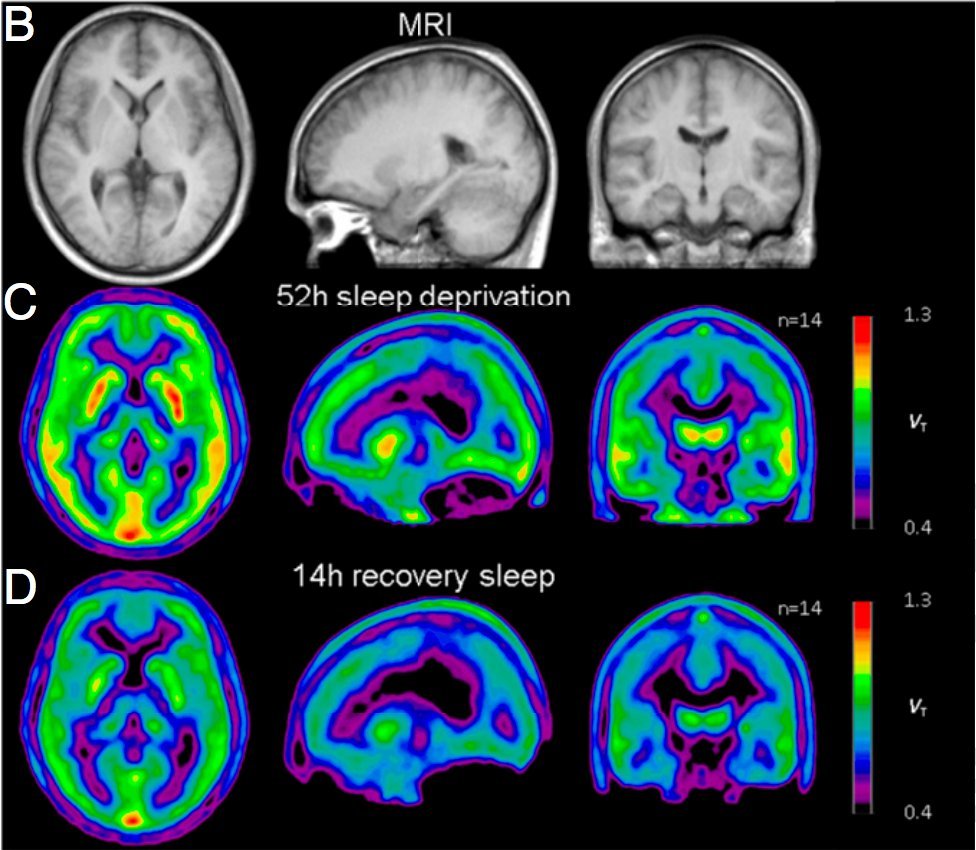
The negative effects of sleep deprivation on alertness and cognitive performance suggest a drop in brain activity and function. These changes occur mainly in two regions of the brain: the thalamus - a structure involved in maintaining focus and attention - and the prefrontal cortex, a region responsible for maintaining alertness, attention and higher-order cognitive processes.
A 2007 study pointed to a link between sleep deprivation and mental disorders. Functional magnetic resonance imaging (fMRI) showed that after about 35 hours without sleep the brain’s emotional centre (the amygdala) reacts to unpleasant stimuli more than 60% more strongly, while the prefrontal cortex does less to restrain it. So sleep deprivation leaves the brain unable to put an event into proper perspective and unable to respond to that event in a controlled and appropriate way.
A study carried out on rats in 2002 suggests that NREM sleep may be needed to switch off neurotransmitters and allow their receptors to “rest” and recover full function. Non-REM sleep may also allow enzymes to repair damage to brain cells caused by free radicals. The high metabolic activity of the waking state damages the enzymes themselves, preventing them from carrying out repairs effectively. In this study, after more than 45 hours without sleep, the rats also showed changes in cells of the hypothalamus that may point to brain damage.
Animal studies also suggest that lack of sleep raises the level of stress hormones, which may reduce the production of new cells in adult brains.
The dangers of chronically not getting enough sleep
Among the possible consequences of sleep deprivation, the most important are the inability to stay focused and attentive, and memory problems. This causes uncontrolled lapses in everyday activities, which can lead to unfortunate results: from leaving out ingredients when cooking to skipping a sentence when taking notes. Performance on tasks that need attention is directly correlated with the number of hours slept each night: the less sleep, the worse it is.
Lapses in concentration also affect more critical areas, where the consequences can be a matter of life and death - car crashes and industrial disasters often result from inattention put down to lack of sleep.
Most importantly, the subjects’ own ratings of how tired they are often fail to predict how well they actually perform. While people who are completely deprived of sleep are usually aware of how impaired they are, the lapses in mental performance caused by chronic sleep restriction (for example in people who sleep only 4 hours a night for a long time) can build up until they match, in number and severity, the impairment caused by total (acute) sleep deprivation.
Despite this, people who are short of sleep still rate themselves as much less impaired than those who have not slept for many hours or days in a row. Because people usually judge their ability to perform tasks subjectively, their judgement can lead them to the false conclusion that they can handle tasks requiring sustained attention, when their abilities are in fact significantly impaired.
Resident doctors who slept less than four hours a night made more than twice as many mistakes as those who slept more than seven hours a night (a 2004 study).
Sleep in a crisis
It is easy to say “sleep 7 hours” when you have a bed and a quiet night. It is harder when an evacuation is under way, the power has gone out in winter or someone has to guard the camp. You will not get your full share of sleep then, but you can make smart use of what you do get.
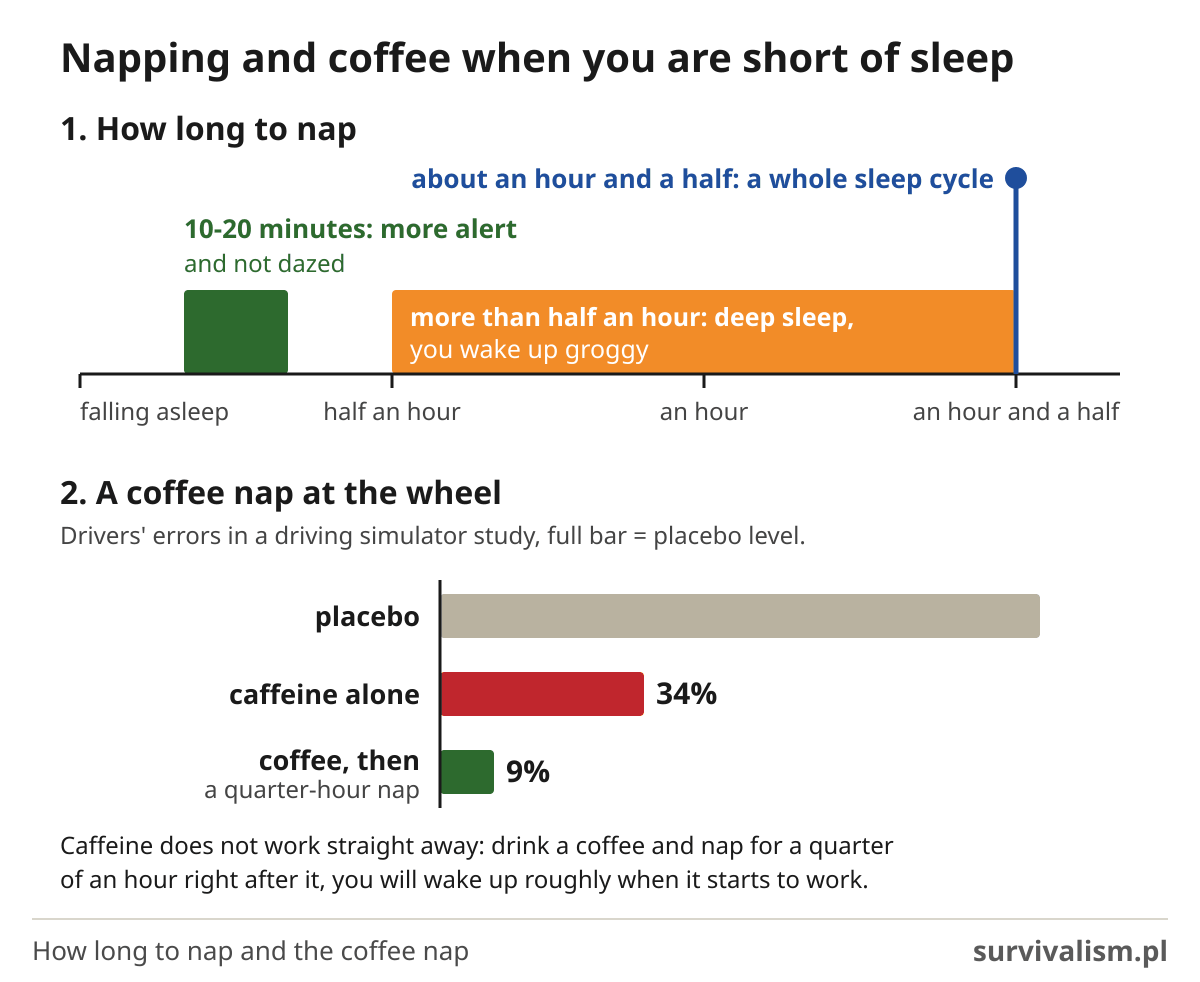
Sleep whenever you can, even briefly. A 10-20 minute nap makes you more alert and does not leave you dazed. After more than half an hour you usually slip into deep sleep and wake up “groggy”. If you have more time, sleep for about an hour and a half, which is roughly one whole sleep cycle.
In a group, sleep in shifts and agree the order of watches before anyone falls asleep. It is better for everyone to get one longer stretch than several short scraps, because broken sleep restores you less. On watch, do not settle down comfortably by the fire wrapped in a sleeping bag. Monotonous waiting is the perfect setting for microsleep, so get up and move around.
Coffee helps, but it will not replace sleep. Caffeine does not work straight away, so the best thing is to drink a coffee and nap for a quarter of an hour right after it: you will wake up roughly when it starts to work. In a driving simulator study this combination cut drivers’ errors to 9% of the placebo level, while caffeine alone only brought them down to 34%. After 5 hours, on average half of the caffeine is still in your body, so a late coffee will make it harder for you to fall asleep.
Do not drive after a sleepless night. If you have to and your eyes start to close, pull in at the nearest parking area and have a coffee nap. An open window and a loud radio do very little; at best they get you to a place where you can stop. It is the same with an axe, a saw or a knife: a sleep-deprived person makes mistakes without noticing them. Do not leave a fire without someone awake to watch it, and never warm yourself in a tent with a stove, a barbecue or a heater. Carbon monoxide has no smell and can kill you in your sleep.
When the crisis is over, do not sleep the whole day away. Take a short nap in the early afternoon, ideally before 3 p.m., and go to bed at your usual time, or a little earlier at most. And do not count on one long night putting everything right. In a 2003 study, people who spent 3, 5 or 7 hours a night in bed for a week had not returned to full performance even after three nights with 8 hours in bed.
Common questions about going without sleep
After how many hours without sleep do hallucinations start?
The first distortions of vision appear after just one day, illusions and simple hallucinations usually between 30 and 48 hours, and after 48 hours hallucinations are the rule. After three days they involve sight, hearing and touch.
How many days can a person go without sleep?
The longest result recognised by Guinness is 18 days, 21 hours and 40 minutes, and the best-documented case is Randy Gardner’s 11 days. In both cases with microsleeps that nobody was able to rule out.
After how many hours without sleep does a person die?
Nobody knows, because such trials are not carried out on healthy people, and the record holders survived. Rats deprived of sleep died after 2-3 weeks, and people with fatal familial insomnia die on average about a year and a half after the first symptoms.
What is the record for staying awake?
The last record recognised by Guinness belongs to Robert McDonald and stands at 453 hours 40 minutes (1986). Guinness has not kept this category since 1997, so nobody will officially set a new record.
What happens after 72 hours without sleep?
It is hard to focus on anything, an overwhelming sleepiness comes in the morning, and without help from others it is hard not to fall asleep. The hallucinations now involve several senses and the first delusions appear.
Don’t neglect sleep - it doesn’t pay!
There is only one conclusion to draw from the data above: never neglect your night’s rest. To function normally you need at least 7 hours of sleep a day.
Chronic lack of sleep is linked to changes in how the brain works, and animal studies suggest that the damage may be permanent, which is frightening enough in itself.
On top of that, lack of sleep has a negative effect on every area of our lives. A person who has not slept enough makes wrong decisions and also makes mistakes, often without even realising it. This is especially dangerous in extreme situations, when a single wrong decision can shape your whole future, or even decide between life and death.
Source of some of the information: I translated and adapted the parts about the records, the symptoms and effects of sleep loss (including the list of effects), how lack of sleep affects the brain and the dangers of chronic sleep loss from the English Wikipedia articles “Sleep deprivation” and “Randy Gardner sleep deprivation experiment” (authors: Wikipedia contributors). The originals are available under the Creative Commons Attribution-ShareAlike 4.0 (CC BY-SA 4.0) licence, and I share my translated and adapted versions of these parts under the same licence.
The scientific paper by Jolanta Orzeł-Gryglewska that I relied on when writing the text above.
Leave a comment